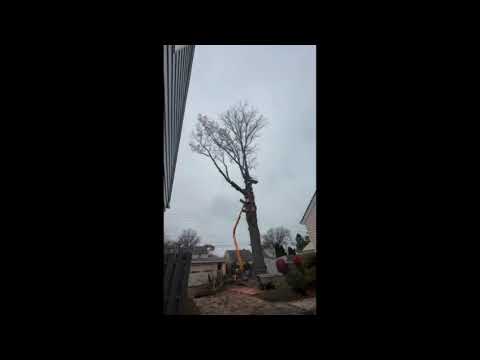

What Is Tree Topping?
Tree topping is the practice of cutting main branches back to stubs — essentially cutting the top off a tree to reduce its height. It is one of the most harmful things you can do to a tree.
Why Topping Damages Trees
Starvation
Removing the crown removes the tree’s food-producing leaves. The tree must use stored energy reserves to produce new growth, weakening it significantly.
Rapid, Weak Regrowth
Topped trees produce dense clusters of weakly-attached sprouts. These grow rapidly but are prone to breaking in storms — creating the exact hazard that topping was supposed to prevent.
Disease and Decay
Large topping cuts rarely heal properly. They become entry points for decay, insects, and disease. The internal rot spreads through the trunk over time.
Sunscald
Sudden exposure of interior branches to direct sun causes bark damage and tissue death.
What to Do Instead
Crown reduction is the proper alternative to topping. It reduces tree height by cutting branches back to lateral branches that are at least one-third the diameter of the removed branch. This maintains tree structure and allows proper wound closure.
Crown thinning reduces wind resistance and weight without removing height. Selective removal of interior branches opens the canopy while maintaining natural form.
Hire a Professional
If someone suggests topping your trees, find a different company. Proper pruning follows ANSI A300 standards and preserves tree health while achieving your goals.
Call All Trees Considered at (440) 901-0995 for proper pruning that maintains your trees’ health and beauty.