
Is It Dangerous? Can It Be Saved?
Tree Health & Risk Assessment
in Northeast Ohio
A straight answer on whether a tree is dying, dangerous, or fine to leave alone, from the man who would be the one climbing it.
Request A Free Estimate
Tell Wes about your job
Response within 24 hours. No call center.
Or call (440) 901-0995
The Two Questions Every Caller Asks
"Is it dangerous?" and "Can it be saved?" Those two questions come up on more calls than any price question. Most people don't want a tree removed. They want to know whether they have to, and they want someone who will tell them the truth either way.
That is what this visit is. Wes comes out, looks at the tree, and tells you what he sees. If it can stay, he says so. If it needs work, he explains what and why. If it has to come down, you hear that too, with the reasons.
What Wes Looks At
- Dead wood and dieback in the crown, and how much of the tree is still alive
- Trunk and root condition: cracks, cavities, fungus at the base, soil heaving on one side
- Lean and load: which way the tree would go, and what is under it (house, garage, lines, driveway, the neighbor's yard)
- Weak unions where two leaders meet with bark trapped between them
- Storm damage: hangers, split limbs, and what a few more wind events will do to them
- Disease and pests common in Geauga and Lake County, including oak wilt and emerald ash borer
What You Get
A plain answer, on site, the same day. One of three things:
- Leave it. The tree is healthy, or the problem is cosmetic. No work needed, no charge for the visit.
- Fix it. Pruning, deadwooding, cabling, or taking weight off a limb can make the tree safe. You get a written quote for that work.
- Remove it. The tree is a risk to people or property. You get a written quote and a timeline.
If the honest answer is "leave it," that is what you'll hear. Wes removes a lot of trees. He also talks people out of removing a lot of trees.
Why Ask a Climber
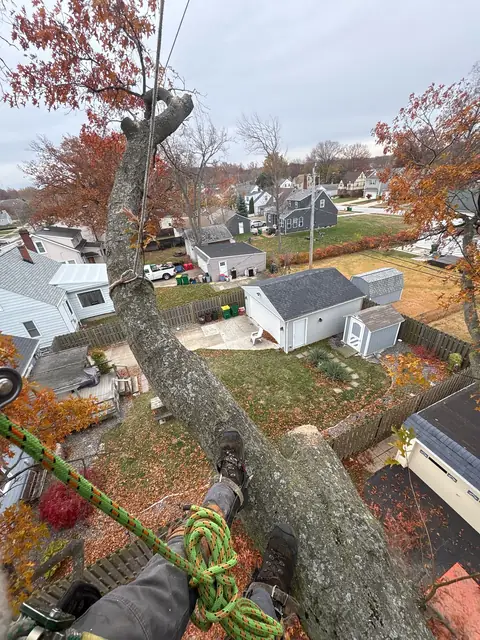
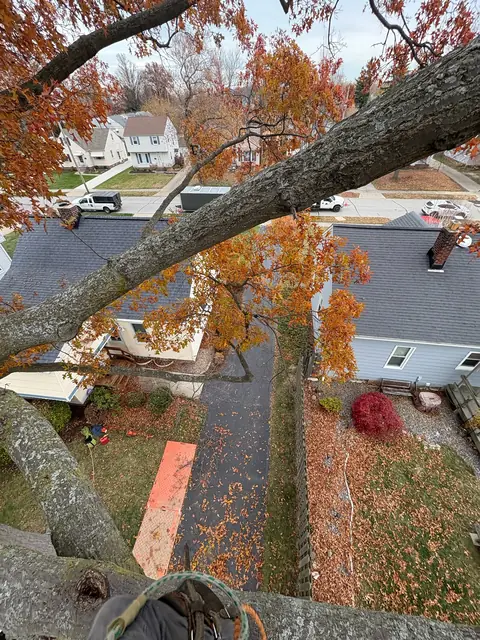
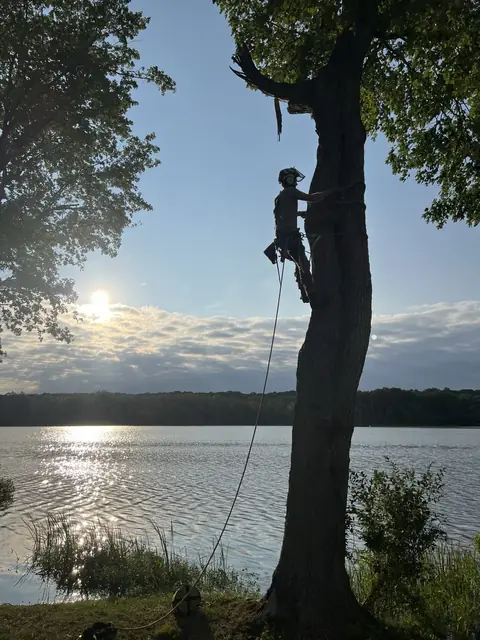
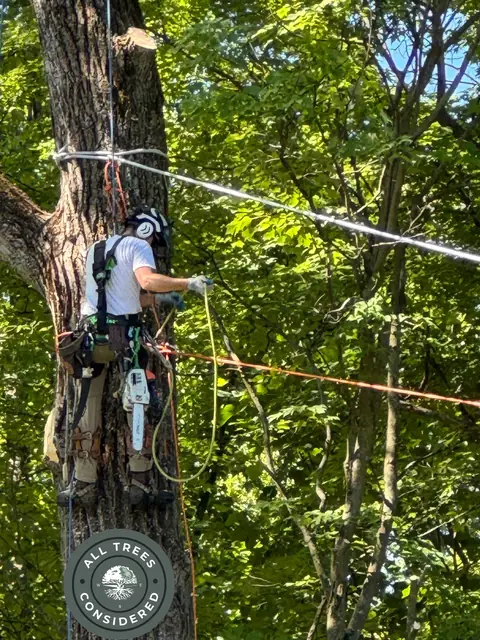
Wes spent 14 years as an electrical lineman before starting All Trees Considered, and he is still the one in the tree on every job. He has looked at thousands of trees from the inside of the canopy, not just the ground. When he climbs to inspect a cavity or a union, you are getting a look that a ground-only assessment can't give you.
Oak Wilt, Ash Borer, and Seasonal Timing
Northeast Ohio oaks should not be pruned during the growing season because of oak wilt, which spreads through fresh cuts. Ash trees across the region have been hit hard by emerald ash borer and often fail without much warning. If you have oaks or ash on your property, the assessment covers timing and what to watch for. Our oak wilt guide goes deeper.
Our Work
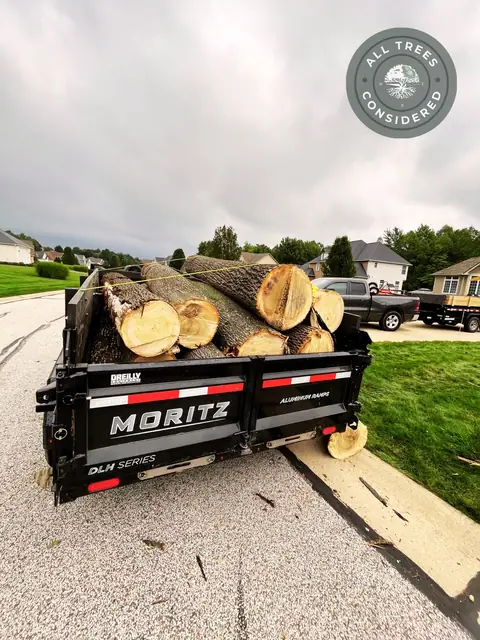
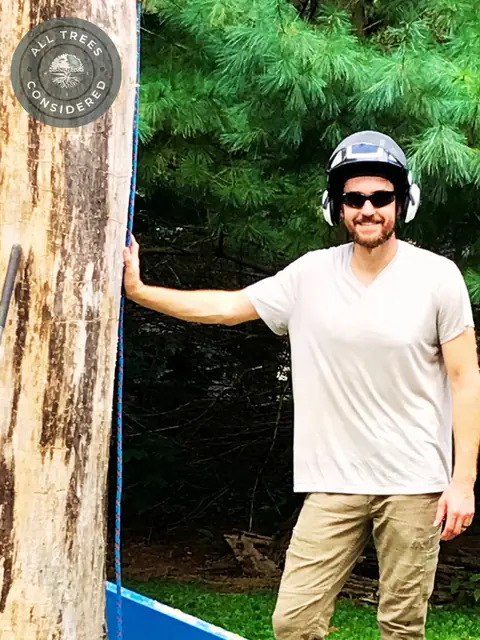
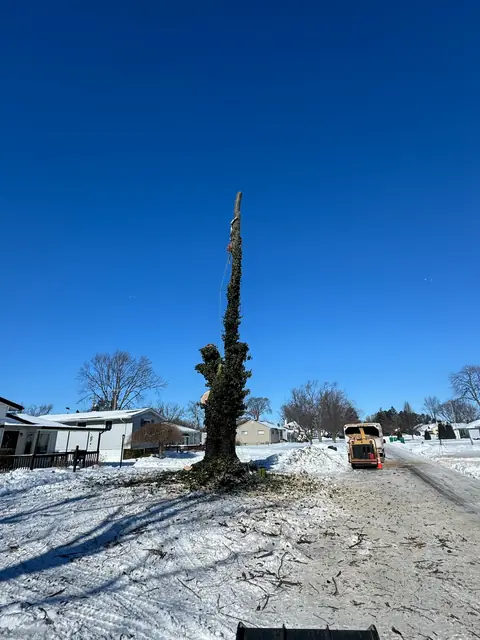
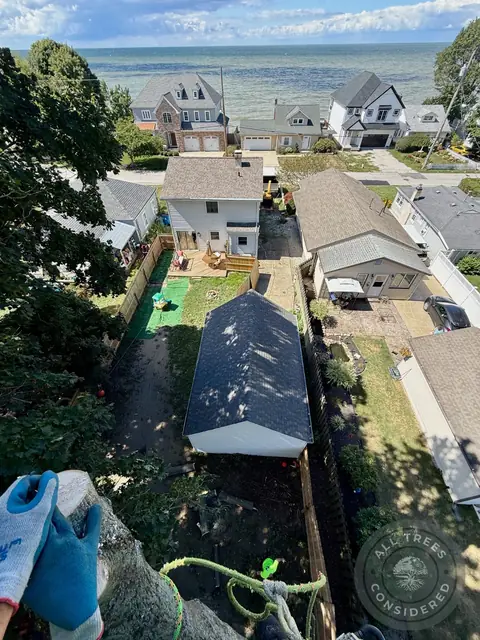
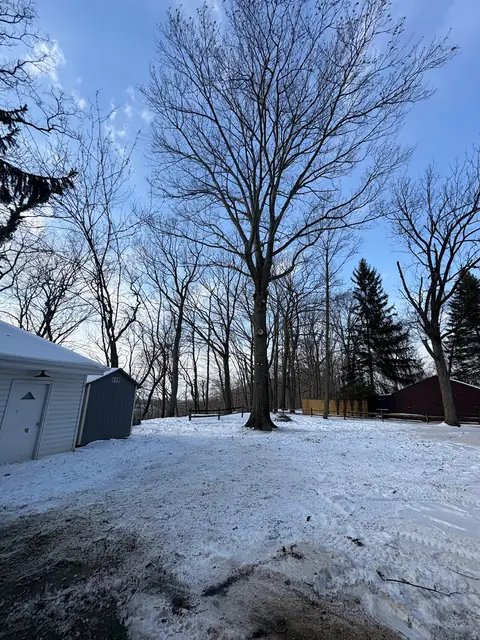
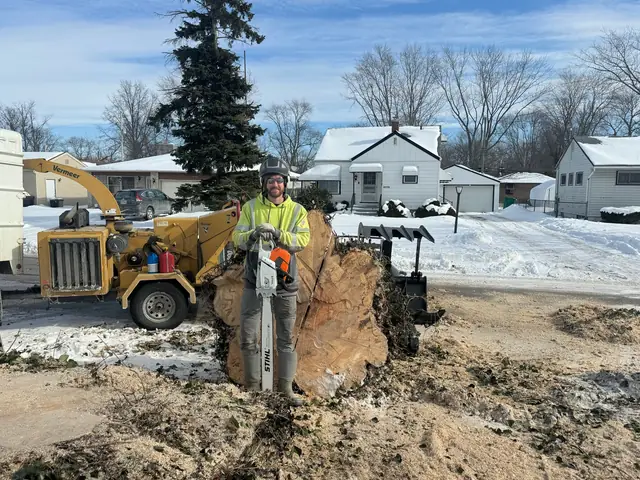
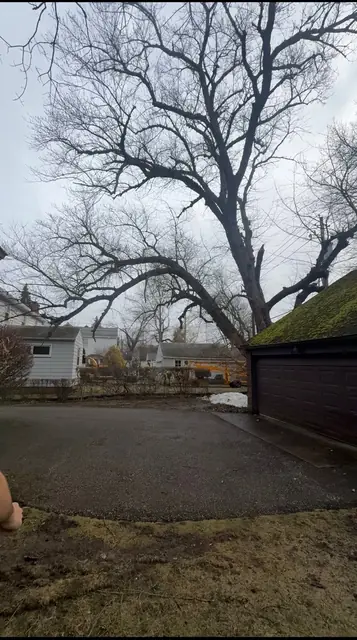
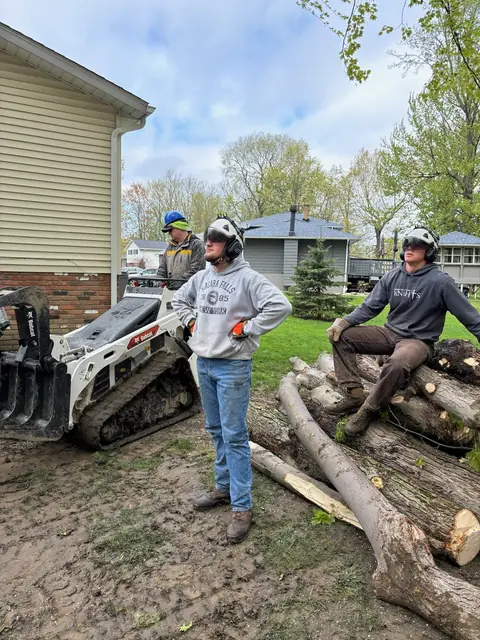
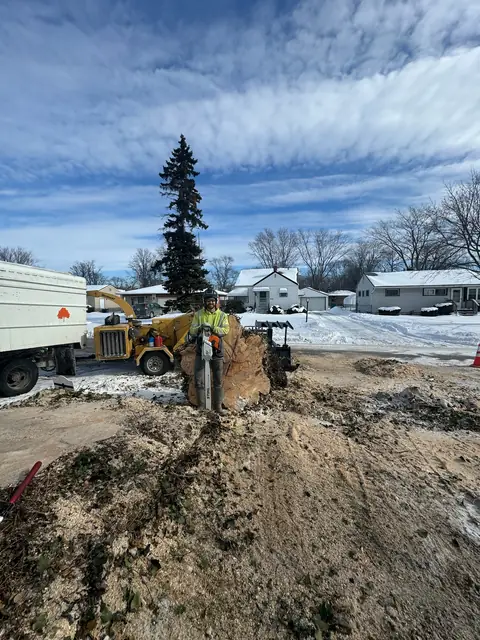
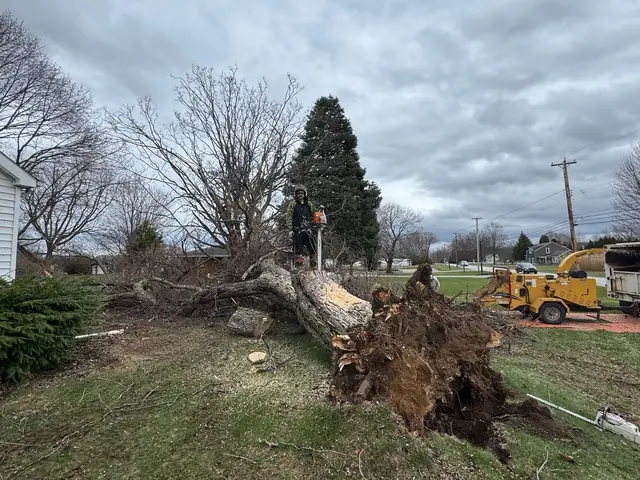
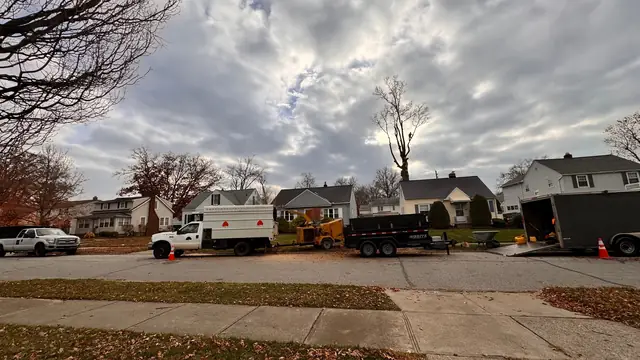
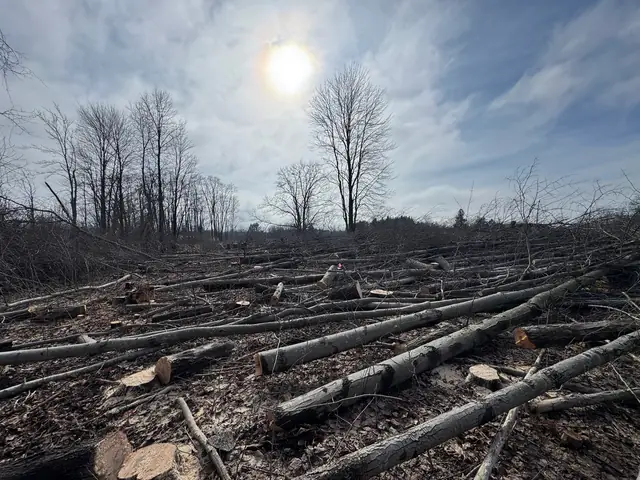
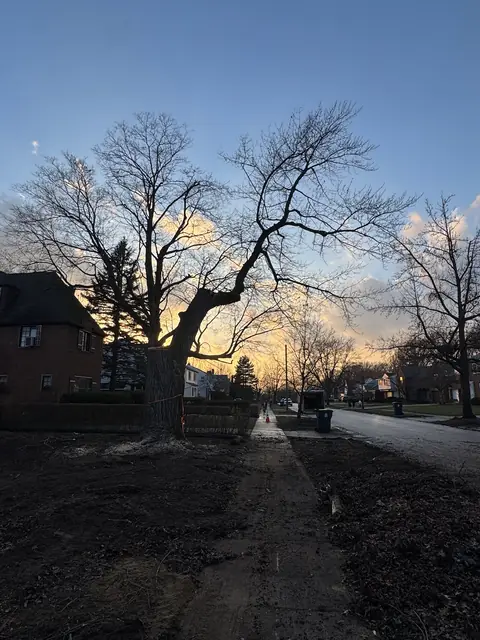
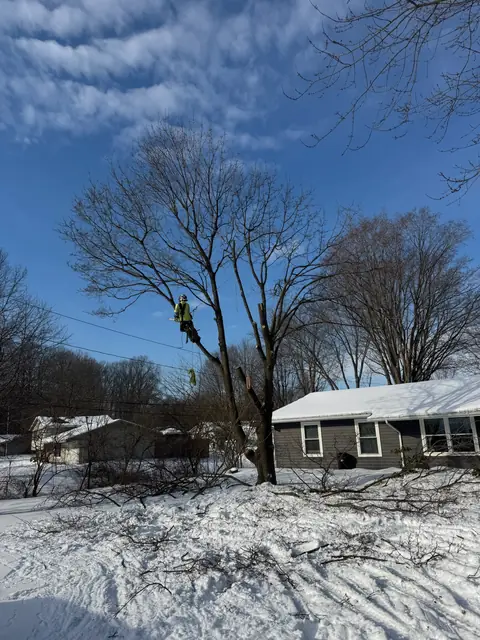
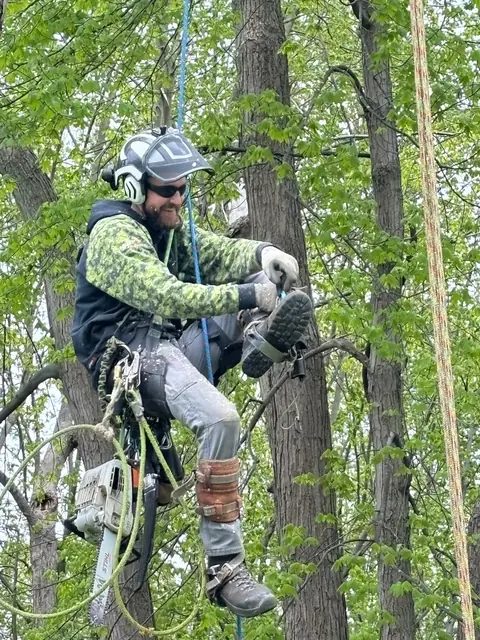
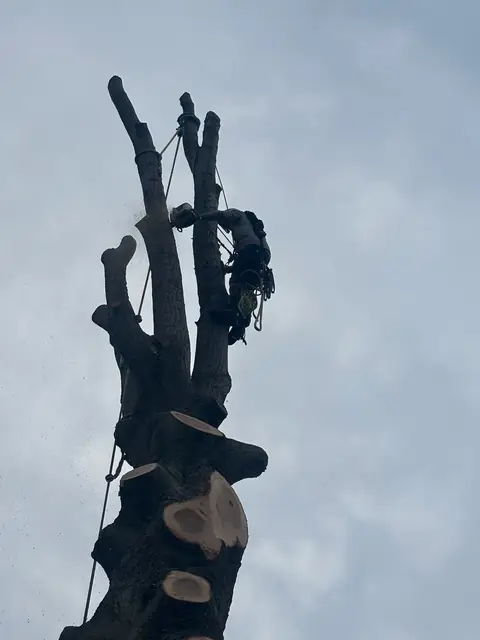
Tree Health & Risk Assessment Photos
Reviews
What Customers Say
Real reviews from homeowners who hired All Trees Considered.
“Wes was very fair in his pricing...very detailed in the work and cleanup! Will not keave the property until he is satisfied with the work! I will certainly use again!”
Mike Tur
via Google
“We're in Maple Heights, not his usual service area but he did come out and give us an estimate and found a time that worked great for us. No heavy equipment, just Wes and a helper, amazing to watch him work. Got hit with a big thunderstorm and he still finished the job. Guy really knows what he's doing, highly recommend!”
Marcia Sudekum
via Google
“Wes did a fantastic job on tree trimming. 2 man crew. Excellent job on clean-up. All branches and leaf debris are all cleaned up. Wes was responsive on the original quote and day of job. The office is also great. She always answered and followed up with direct text on questions. Also great price based on my other quotes. Highly recommend.”
Bill Laird
via Google
FAQ
Tree Health & Risk Assessment Questions
Common questions homeowners ask about tree health & risk assessment service.
How much does a tree assessment cost?
Nothing. Wes looks at the tree as part of a free on-site visit. If work is needed, you get a written quote. If it isn't, you get that answer and nothing else.
How do I know if my tree is dying?
Common signs: dead branches in the upper crown, bark falling off, mushrooms or shelf fungus at the base, leaves coming in late or small, and woodpecker activity on the trunk. One of these alone is not a verdict. Several together are worth a look.
My tree leans. Does it have to come down?
Not always. Many trees lean toward light and have grown that way for decades. A new or increasing lean, cracked soil on the uphill side of the roots, or a lean toward a house is a different story. Wes will tell you which one you have.
Can you save a storm-damaged tree?
Often, yes. If the trunk is sound and the tree keeps most of its crown, cleaning up broken limbs and reducing weight can give it years. If the trunk split or the root plate lifted, removal is usually the safe call.
Do you do this for insurance or real estate?
Wes can document what he finds with photos and a written description for your records, an insurance claim, or a home sale. See our insurance claims page for how that works.
Have another question? Wes is happy to walk you through anything.
ASK WES DIRECTLYService Areas
Tree Health & Risk Assessment Near You
We provide tree health & risk assessment throughout Geauga County and Lake County.
Why Us
Why Chardon Homeowners Choose All Trees Considered
Wes will visit your property, assess the situation, and provide a detailed estimate — no obligation.